At Bug Bully Rodent & Pest Control, we spend a lot of time listening to homeowners, apartment renters, and restaurant owners across Central Massachusetts. From quiet neighborhoods in Worcester to historic streets in Concord, people are surprised to learn that flying squirrels are part of the local wildlife. They are small, secretive, and mostly active at night, which means they can live in attics, wall voids, and commercial buildings for months before anyone realizes they are there. This article is written from our perspective as a local pest control company to help you understand what flying squirrels are, why they end up in structures, and what responsible flying squirrel removal looks like.
What flying squirrels are and why they are misunderstood
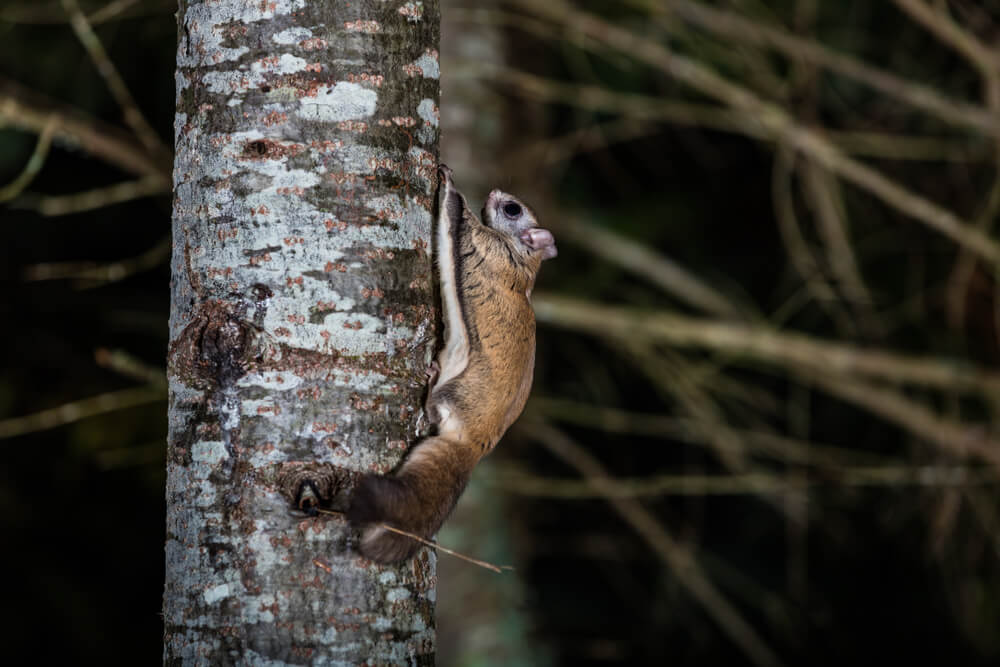
Flying squirrels do not actually fly. They glide using a thin membrane of skin that stretches from their wrists to their ankles. In Massachusetts, the most common species is the southern flying squirrel, which thrives in wooded areas and adapts well to suburban environments. Because they are smaller than gray squirrels and far quieter, they are often mistaken for mice or bats when they move through an attic at night. This misunderstanding can delay proper identification and allow a small issue to become a larger one.
Where flying squirrels live around Worcester County and beyond
Central Massachusetts offers an ideal mix of mature trees, older homes, and newer construction with warm attic spaces. In communities like Framingham and Northborough, flying squirrels often nest in tree cavities during warmer months and then look for sheltered spaces as temperatures drop. Attics, soffits, and even restaurant storage lofts can become appealing alternatives to hollow trees. Once inside, they build nests using insulation, paper, and other soft materials they find.
How flying squirrels get into homes and restaurants
Flying squirrels are excellent climbers and gliders, which means they can access areas that seem unreachable. They commonly enter structures through gaps along rooflines, loose fascia boards, unscreened vents, or openings created by weathering. Restaurants with flat roofs or attached dumpsters can be particularly vulnerable because food odors and warmth attract wildlife. Apartment buildings are also at risk since shared attics allow animals to move between units without being noticed.
Signs of flying squirrel activity indoors
One of the earliest signs people report to Bug Bully Rodent & Pest Control is hearing soft scratching or thumping sounds at night. Flying squirrels are nocturnal, so activity often starts after dusk and quiets down by morning. Droppings are another indicator, though they are smaller and more scattered than those of larger squirrels. Grease marks near entry points, nesting material in insulation, and sightings of a small squirrel gliding between trees near your roofline can all point to an active presence.
Why flying squirrels choose attics over the outdoors
Attics provide consistent warmth, protection from predators, and a stable environment for raising young. In winter, the temperature difference between a cold night and a heated attic can be significant. Flying squirrels are social animals and may nest in groups, which means one entry point can lead to several animals sharing the space. This social behavior increases noise levels and the potential for damage over time.
Damage caused by flying squirrels in structures
Although flying squirrels are not aggressive, their presence can cause real problems. Chewed wiring is one of the most serious concerns, especially in older homes and restaurants where electrical systems may already be under strain. Damaged insulation reduces energy efficiency and can lead to higher heating costs. In food service settings, contamination risks arise when droppings or nesting materials are near storage areas, which can threaten compliance with health regulations.
Health considerations for residents and staff
Flying squirrels can carry parasites and bacteria that pose health risks to humans. While direct contact is rare, droppings and urine can contaminate surfaces and insulation. Over time, this contamination may contribute to odors and indoor air quality issues. For apartment renters, this can affect multiple units, and for restaurant owners, it can impact employee health and customer safety.
Seasonal patterns of flying squirrel activity in Massachusetts
In Flying Squirrels Massachusetts environments, activity often increases in late fall as squirrels seek warmth and shelter. Winter brings quieter periods, but that does not mean the problem resolves itself. Spring can be another busy season as females raise young and look for safe nesting areas. Understanding these patterns helps us plan effective Flying Squirrels removal strategies that address both current occupants and future prevention.
Why do it yourself solutions often fall short
Many people attempt to solve a flying squirrel issue with store bought repellents or by sealing visible holes. Without a thorough inspection, these approaches can trap animals inside or fail to address secondary entry points. Flying squirrels are adaptable and will exploit even small gaps. A perspicacious inspection looks beyond the obvious to identify how and why animals are entering, which is essential for a lasting solution.
Our approach to flying squirrels removal
At Bug Bully Rodent & Pest Control, we focus on humane and effective Flying Squirrels removal. This starts with a detailed inspection of the structure, including rooflines, attics, and exterior features. We identify entry points, nesting areas, and signs of ongoing activity. Removal methods are chosen based on the building type, the season, and the presence of young. Exclusion work follows to seal openings and prevent re entry, all while respecting local wildlife regulations.
Considerations for homeowners in Central Massachusetts
Homeowners often worry about property damage and long term costs. Addressing a flying squirrel issue early can save money by preventing extensive insulation damage and electrical repairs. Regular maintenance, such as trimming branches away from roofs and repairing loose siding, reduces the likelihood of future problems. Our team works with homeowners to create practical prevention plans that fit the style and age of their houses.
Considerations for apartment renters and property managers
Apartment renters may not have control over building maintenance, which makes communication with property managers important. Flying squirrels can move between units, so a coordinated response is necessary. Property managers benefit from professional inspections that document entry points and recommend building wide solutions. This protects tenants and preserves the value of the property.
Considerations for restaurant owners and food service spaces
Restaurant owners face unique challenges because wildlife issues can quickly affect operations. Flying squirrels may enter through roof vents, storage areas, or attached structures. Prompt Flying Squirrels removal helps maintain sanitary conditions and avoids disruptions. We understand the need for discretion and efficient service in commercial settings, especially in busy areas of Worcester and surrounding towns.
Fun facts about flying squirrels that surprise most people
Flying squirrels can glide up to 150 feet in a single leap, which explains how they move between trees and buildings so easily. Their large eyes are adapted for night vision, making them well suited to nocturnal life. Flying squirrels communicate with high pitched sounds that are often inaudible to humans. They play a role in forest ecosystems by dispersing seeds and fungi. In cold weather, they sometimes huddle together in groups to conserve heat, which can increase the number of animals found in one attic.
Common questions we hear from clients about flying squirrels
People often ask if flying squirrels are dangerous, and the answer is that they are generally shy but still capable of causing damage and health concerns. Another common question is whether they will leave on their own, which is unlikely once they find a warm, safe space. Clients also ask if flying squirrels are protected, and while wildlife laws apply, professional removal is allowed when animals are causing problems. Many wonder if noise will stop after sealing one hole, but without full exclusion, activity usually continues. Finally, people ask how long removal takes, and the timeline depends on the season and the extent of the infestation.
Prevention tips that make a difference over time
Prevention is about reducing access and attraction. Keeping roofs and siding in good repair, installing proper vent covers, and managing food sources around buildings all help. Regular inspections, especially before winter, catch small issues early. For restaurants, maintaining clean dumpster areas and sealing storage spaces reduces attractants. These steps complement professional services and extend their effectiveness.
Why local experience matters in pest control
Central Massachusetts has its own climate patterns, building styles, and wildlife behaviors. A local company understands how snow loads affect roofs, how older homes settle, and how suburban development influences animal movement. Bug Bully Rodent & Pest Control brings this local knowledge to every inspection and removal plan, serving communities from Framingham to Northborough with solutions tailored to the region.
Working with Bug Bully Rodent & Pest Control
Our goal is to make the process clear and stress free for homeowners, renters, and business owners. We explain our findings, outline options, and answer questions along the way. By focusing on humane practices and long term prevention, we help clients feel confident about their spaces again.
When to take action
If you hear persistent nighttime noises, notice droppings, or see signs of entry around your roof or vents, it is time to act. Waiting can allow a small issue to grow into a costly repair. When to contact Bug Bully for an inspection and create a removal plan.