


Cockroaches rank among the most unwanted pests in Massachusetts homes. These resilient insects can survive harsh New England winters by seeking shelter indoors, making prevention and early treatment essential. This guide covers practical steps you can take to protect your home from cockroach infestations.
Understanding Cockroaches in Massachusetts
Massachusetts homes encounter several cockroach species. The German cockroach is the most common indoor pest in our region. It thrives in kitchens and bathrooms where moisture and food sources are plentiful. American cockroaches, sometimes called water bugs, prefer basements and utility areas. Oriental cockroaches favor cool, damp spaces like crawlspaces and drains.
Each species has different habits and preferences. Knowing which type you’re dealing with helps you target your control efforts. German cockroaches reproduce fast. A single female can produce hundreds of offspring in her lifetime. American cockroaches are larger and live longer but reproduce more slowly. Oriental cockroaches move sluggishly and stay close to water sources.
Our New England climate gives us one advantage. Cockroaches can’t survive freezing temperatures outdoors. This means infestations in Massachusetts almost always originate from indoor sources or hitchhiking roaches that arrive in boxes, bags, or used furniture.
Signs of a Cockroach Problem
Cockroaches are nocturnal. You might have an infestation without seeing a single live bug during the day. Learning to spot the signs helps you catch problems early.
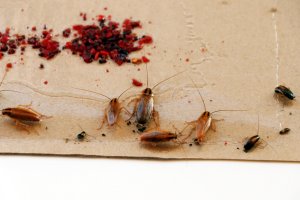
Droppings are a clear indicator. German cockroach frass looks like black pepper or coffee grounds. You’ll find it in cabinet corners, behind appliances, and along baseboards. Larger species leave cylindrical droppings with ridges on the sides.
Egg cases, called oothecae, signal active breeding. These brown, purse-shaped capsules contain multiple eggs. Finding even one means the population is growing. Shed skins are another clue. Cockroaches molt several times as they mature, leaving behind light brown exoskeletons.
A musty odor sometimes develops in heavy infestations. This smell comes from pheromones that cockroaches use to communicate. If you notice an unusual smell in your kitchen or bathroom, investigate further.
There’s a saying among dog lovers: if you think your dog is up to something, trust your gut. The same applies to pest awareness. If something feels off in your home, pay attention. That instinct often catches problems before they become serious.
Prevention Through Sanitation
Sanitation forms the foundation of any cockroach control program. You can’t eliminate roaches while still providing them with food, water, and shelter. Remove these resources and you make your home far less attractive to pests.
Start in the kitchen. Store all food in sealed containers. This includes pet food, which cockroaches love. Don’t leave dirty dishes in the sink overnight. Wipe down counters and stovetops after cooking. Clean under appliances regularly. Crumbs and grease accumulate in these hidden spots.
Take out trash before it overflows. Use bins with tight-fitting lids. Rinse recyclables before storing them. A soda can with residue inside is a feast for cockroaches.
Address moisture issues throughout your home. Fix leaky faucets and pipes. Don’t let water pool under sinks or around tubs. Use exhaust fans in bathrooms to reduce humidity. In basements, consider a dehumidifier if dampness persists.
Declutter storage areas. Cockroaches hide in cardboard boxes, stacks of newspapers, and piles of bags. Switch to plastic storage containers. Keep items off the floor when possible.
Exclusion Techniques
Exclusion means sealing the entry points and hiding spots that cockroaches exploit. This physical barrier approach is a core principle of Integrated Pest Management, or IPM. It reduces pest pressure without relying solely on chemical treatments.
Inspect your home’s exterior. Look for gaps around pipes, wires, and cables where they enter the building. Seal these with caulk or steel wool. Check door sweeps and weatherstripping. If daylight shows around a closed door, cockroaches can squeeze through.
Inside, focus on kitchens and bathrooms. Caulk around sinks, tubs, and toilets where plumbing meets the wall. Seal gaps behind electrical outlets and switch plates. These small openings provide routes between rooms and wall voids.
Pay attention to shared walls if you live in a duplex, townhouse, or apartment building. Cockroaches travel between units through plumbing chases and gaps in construction. Sealing these pathways protects your space even if neighbors have issues.
A few years ago we got a call from a homeowner in Grafton who couldn’t figure out where cockroaches kept coming from. Her kitchen stayed spotless. After inspection, we found a gap around a gas line behind the stove that connected to a shared basement with her neighbor’s unit. Sealing that single opening solved her problem. Small details matter in pest control.
DIY Treatment Options
When prevention isn’t enough, several treatment methods are available to homeowners. Each has strengths and limitations. Using them together improves your results.
Bait stations and gel baits are among the most effective DIY options. Cockroaches eat the bait and carry traces back to their harborage, where it spreads to other roaches. Place baits near areas of activity: under sinks, behind toilets, in cabinet corners, and behind appliances. Don’t spray insecticides near baits. The spray residue repels cockroaches and reduces bait effectiveness.
Boric acid dust works well in wall voids and other enclosed spaces. Apply a thin layer where cockroaches travel. A heavy application causes roaches to walk around it rather than through it. The dust clings to their bodies and gets ingested during grooming. It takes several days to work but provides lasting control.
Sticky traps help you monitor populations and identify harborage areas. Place them along walls, in corners, and near suspected entry points. Check them weekly. The number and location of trapped roaches tells you where to focus treatment efforts.
Diatomaceous earth is a natural option made from fossilized algae. Its abrasive particles damage the waxy coating on cockroach exoskeletons, causing dehydration. Apply it in dry areas only. Moisture renders it ineffective. Use food-grade diatomaceous earth and apply lightly in cracks and crevices.
Insect growth regulators, or IGRs, disrupt cockroach development. They prevent nymphs from reaching adulthood and reproducing. IGRs don’t kill adult roaches directly but help control populations over time. Combine them with baits for better results.
Common DIY Mistakes
Many homeowners make errors that undermine their control efforts. Avoiding these mistakes saves time and money.
Over-relying on sprays is the most common problem. Aerosol insecticides provide quick knockdown but scatter roaches rather than eliminating them. Survivors disperse to new areas, spreading the infestation. Residual sprays work better for perimeter treatment but still shouldn’t replace baits in kitchens and bathrooms.
Using too many products at once creates confusion. Different chemicals can interact in unexpected ways. Stick to a simple approach: good sanitation, targeted exclusion, and strategic bait placement.
Impatience leads to failure. Cockroach control takes weeks, not days. Even effective treatments require time to reach the entire population. Switching products every few days doesn’t give any single approach a chance to work.
Neglecting follow-up allows populations to rebound. Check bait stations regularly and replace them when empty or dried out. Monitor traps to track progress. Continue treatment for at least two weeks after you stop seeing activity.
Treating symptoms while ignoring sources wastes effort. If you keep seeing roaches in the same spot, ask why. Is there a moisture problem? A food source? An entry point you missed? Address the root cause.
When DIY Reaches Its Limits
Some situations call for professional help. Heavy infestations overwhelm DIY methods. When you see cockroaches during the day, the population has grown large enough that competition for resources forces them out of hiding. This level of infestation requires professional-grade treatments and expertise.
German cockroaches in multi-unit buildings pose special challenges. Treating one unit while ignoring neighboring spaces just pushes roaches around. Coordinated treatment of the entire structure gives better results.
Persistent problems despite your best efforts suggest something more is going on. Hidden harborage in wall voids, beneath flooring, or within appliances can sustain populations that surface treatments can’t reach. Professional technicians have tools and products not available to consumers.
Health concerns also raise the stakes. Cockroach allergens trigger asthma and allergic reactions. If anyone in your household has respiratory issues, quick and thorough elimination becomes essential. Professional home pest control delivers faster results with less ongoing exposure.
Building a Long-Term Defense
Effective cockroach management isn’t a one-time event. It’s an ongoing commitment to keeping your home inhospitable to pests.
Maintain your sanitation standards even after roaches are gone. The habits that eliminated them are the same habits that prevent their return. Weekly deep cleaning of kitchens and bathrooms takes little time once you establish a routine.
Inspect incoming items before bringing them inside. Used furniture, cardboard boxes from stores, and bags from yard sales can harbor hitchhiking roaches. Examine secondhand items outdoors before carrying them in.
Monitor with sticky traps year-round. They provide early warning if new roaches appear. Catching a problem when it’s two roaches is far easier than waiting until it’s two hundred.
Address maintenance issues promptly. That dripping faucet or small gap around a pipe might seem minor, but it’s an invitation to pests. Regular home maintenance supports your pest prevention goals.
Consider seasonal pest control services as part of your home care routine. Professional treatments create a protective barrier that complements your DIY efforts. Technicians also spot developing problems during routine visits.
Protecting Your Massachusetts Home
Cockroach control in Massachusetts requires understanding local conditions and applying proven methods. Our cold winters drive these pests indoors, but they also limit outdoor populations. Focus your efforts on indoor sanitation, exclusion, and targeted treatment. Stay patient and consistent. Monitor your progress with traps. Learn from setbacks rather than getting discouraged.
Most homeowners can handle minor cockroach issues with the techniques described here. But some situations need professional intervention. Heavy infestations, multi-unit buildings, and persistent problems despite treatment all warrant expert attention.
If you’re seeing signs of cockroaches in your home, Bug Bully is ready to help. You can schedule an inspection and get expert guidance on protecting your home throughout Central Massachusetts.