


Finding pest control in Massachusetts that fits your budget can feel overwhelming. This guide breaks down what makes pest control affordable, what to expect from a professional service, and how you can protect your home without breaking the bank.
What Affordable Pest Control Means for Massachusetts Homeowners
Affordable pest control isn’t about finding the cheapest option. It’s about getting real value for your money. A low price means nothing if the problem comes back in two weeks. True affordability comes from solving the issue the first time and keeping it solved.
In Central Massachusetts, homeowners face a range of pest challenges. Carpenter ants thrive in our older homes. Mice seek shelter when temperatures drop. Termites work in silence for years before anyone notices. Each pest requires a different approach. Each approach has different costs.
When you search for pest control Massachusetts companies, you’ll find prices all over the map. Some charge by the visit. Others offer annual plans. The key is understanding what you’re paying for. Are they treating the symptom or the source? Are they coming back if the treatment fails?
A service that costs more upfront but includes follow-up visits and a guarantee often saves you money in the long run. Compare that to a budget service that treats once and disappears. You might end up calling someone else in a month.
Common Pests in the Worcester to Boston Corridor
Your location shapes your pest problems. Homes between Worcester and Boston deal with specific invaders based on the region’s climate, housing stock, and landscape.
Carpenter ants rank among the top concerns. They don’t eat wood like termites do. Instead, they excavate it to build their nests. You might notice small piles of frass near baseboards or windowsills. Frass looks like sawdust but contains insect body parts upon close inspection.
Mice become a serious issue from October through March. As nights grow cold, they squeeze through gaps as small as a dime. Once inside, they nest in wall voids, attics, and basements. They contaminate food and leave droppings throughout your living space.
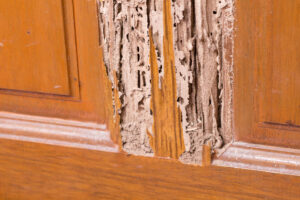
Termites present a hidden danger. Eastern subterranean termites live underground and build mud tubes to reach the wood in your home. They work so quietly that damage can go undetected for years. Annual inspections catch them before they cause structural harm.
Wasps and hornets build nests in eaves, bushes, and underground burrows. A single sting can trigger a medical emergency for those with allergies. Stinging insects require careful removal to avoid aggravating the colony.
Ticks and mosquitoes carry diseases that affect both people and pets. Lyme disease cases in Massachusetts continue to rise. Yard treatments reduce populations and create safer outdoor spaces for your family.
How Professionals Keep Costs Down
A professional pest control company uses something called Integrated Pest Management. IPM focuses on long-term prevention through a combination of techniques. It reduces reliance on pesticides alone.
The process starts with inspection. A technician identifies what pest you’re dealing with, where it’s entering, and what conditions allow it to thrive. This targeted approach avoids blanket treatments that waste time and product.
Exclusion work seals entry points. Gaps around pipes get filled. Cracks in foundations get patched. Door sweeps get installed. When pests can’t get in, you don’t need to keep treating.
Sanitation recommendations address attractants. Food sources get eliminated. Moisture problems get fixed. Clutter that provides harborage gets cleared. These steps make your home less appealing to pests in the first place.
When treatments are needed, professionals apply them in precise amounts to specific locations. This minimizes exposure to your family and pets while maximizing effectiveness. Less product used means lower costs passed on to you.
The pest control services that save homeowners the most money are the ones that prevent problems before they escalate. A $200 inspection and treatment beats a $5,000 repair bill every time.
What to Expect During a Pest Inspection
A thorough inspection takes time. Rushing through it leads to missed problems and incomplete solutions. Budget at least 30 to 45 minutes for a proper evaluation of an average-sized home.
The technician will walk around your property’s exterior first. They’ll check the foundation for cracks and gaps. They’ll look at where utilities enter the home. They’ll examine window frames, door frames, and the roofline.
Inside, they’ll inspect the basement or crawl space. These areas often show the first signs of moisture problems and pest activity. Sill plates, joists, and support beams get examined for damage.
The kitchen and bathrooms receive attention because pests need water. Plumbing penetrations, cabinet interiors, and areas behind appliances get checked.
Attics reveal a lot about pest history. Droppings, nesting materials, and gnaw marks tell a story. Insulation damage often indicates rodent activity.
After the inspection, you should receive a clear explanation of findings. What pests are present? Where are they entering? What conditions support them? What treatment does the technician recommend? What will it cost?
A good company answers all your questions without pressure. You’re hiring someone to protect your home. You deserve straight information.
A Call from Grafton
A few years ago we got a call from a homeowner in Grafton who thought she had mice in her walls. She heard scratching at night. She found droppings in her pantry. She’d already tried store-bought traps with no success.
During the inspection, we discovered two problems. Yes, she had mice. But she also had carpenter ants nesting in a moisture-damaged wall behind her dishwasher. A slow leak had gone unnoticed for months.
The mice were entering through a gap where the dryer vent met the siding. The carpenter ants had found ideal conditions in the wet wood.
We addressed the rodent control issue with exclusion work and interior bait stations. The ant colony required treatment and removal of the damaged wood. The homeowner fixed the leak and replaced the section of wall.
She mentioned that a cheaper service had come out the year before and set some traps. They never looked at the walls or checked for entry points. She ended up paying twice. That’s the hidden cost of choosing price over thoroughness.
Prevention Tips You Can Start Today
You don’t need a professional for every pest concern. Many prevention steps take just a few minutes and cost nothing.
Store food in sealed containers. Cardboard boxes and paper bags offer no protection against pantry pests or rodents. Glass and thick plastic work best.
Fix leaks promptly. A dripping faucet or sweating pipe creates the moisture that pests need. Carpenter ants, silverfish, and cockroaches all thrive in damp environments.
Keep firewood away from your home. Stack it at least 20 feet from the structure and elevate it off the ground. Termites and carpenter ants nest in woodpiles and migrate to houses.
Trim vegetation back from your siding. Branches that touch your home create highways for ants and other insects. Shrubs planted too close hold moisture against your foundation.
Clear gutters regularly. Clogged gutters cause water to back up and soak into fascia boards. That wet wood attracts wood-destroying insects.
Inspect boxes before bringing them inside. Cockroaches often hitchhike in cardboard from grocery stores and warehouses. Break down boxes outside and recycle them rather than storing them in your basement.
There’s a well-known dog lover’s saying that applies here: the nose knows. Dogs can smell things we never notice. In pest control, the lesson is similar. Signs of infestation often appear in subtle ways before they become obvious. Frass in a corner. A faint musty smell. One mouse dropping behind the stove. If you pay attention to small clues, you catch problems while they’re still small.
Questions to Ask Before Hiring a Pest Control Company
Not all companies operate the same way. Asking the right questions helps you find affordable pest control that delivers results.
Ask if they’re licensed and insured. Massachusetts requires pest control operators to hold a valid license. Insurance protects you if something goes wrong during treatment.
Ask what’s included in the price. Does it cover a single visit or multiple follow-ups? Does the company guarantee their work? What happens if the pests return?
Ask about the products they use. A reputable company will tell you exactly what they’re applying, where, and why. They should explain any precautions you need to take.
Ask about their approach. Do they practice IPM? Do they perform exclusion work? A company that only sprays chemicals isn’t providing complete service.
Ask for references or read reviews. Homeowners in your area have faced similar pest challenges. Their experiences can guide your decision.
When to Call a Professional
Some situations call for professional help right away. Termite swarmers in your home mean a colony is established nearby. Carpenter ant frass in multiple locations suggests a mature nest. Signs of rodents in your living space pose health risks.
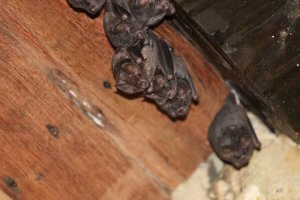
Stinging insect nests near high-traffic areas create safety hazards. Wildlife like squirrels or raccoons in your attic require proper removal and exclusion.
Even when the problem seems minor, an inspection can reveal what you’re missing. The mouse you see might represent dozens you don’t. The ant trail in your kitchen might trace back to thousands in your walls.
Professional treatment works faster and lasts longer than DIY methods in most cases. The cost of proper service often falls below what homeowners spend on repeated store-bought products that don’t solve the underlying issue.
Making Pest Control Fit Your Budget
Many companies offer payment plans or service agreements that spread costs over time. An annual contract typically costs less per visit than calling for individual treatments.
Some homeowners schedule preventive treatments at the start of each season. Spring treatments address ants and termites as they emerge. Summer treatments target stinging insects and mosquitoes. Fall treatments prepare for rodent season. This proactive approach prevents infestations rather than reacting to them.
Ask about bundled services. Treating multiple pest issues during one visit often costs less than separate appointments. A technician already at your home can address secondary concerns with minimal additional expense.
Consider what you’re protecting. Your home represents your largest investment. The cost of professional pest control pales against structural repairs caused by termites or carpenter ants. It’s small compared to medical bills from wasp stings or illness from rodent contamination.
Affordable pest control means protecting your home and health without overpaying. It means finding a company that does the job right and stands behind their work.
Take the Next Step
If you’re noticing signs of pests around your home, don’t wait for the problem to grow. Small issues become big ones when left unchecked. Contact Bug Bully to schedule an inspection and get clear answers about what you’re dealing with and how to fix it.