


Massachusetts homeowners deal with a wide range of pests throughout the year. From ants in spring to mice seeking warmth in fall, each season brings its own challenges. Understanding what you’re up against helps you protect your home and catch problems before they grow.
The Seasonal Rhythm of Pests in Central Massachusetts
Our region sits in a climate zone that creates perfect conditions for many common pests. Cold winters drive rodents indoors. Humid summers bring mosquitoes and wasps. The transition seasons see ants, termites, and other insects emerge from dormancy.
If you live anywhere from Worcester to Boston, you share your environment with dozens of pest species. Most stay outside where they belong. But when they find a way into your home, they become your problem.
Knowing which pests are active and when gives you an edge. You can watch for early signs. You can take preventive steps. And you can act fast when something seems off.
Ants: The Most Common Complaint
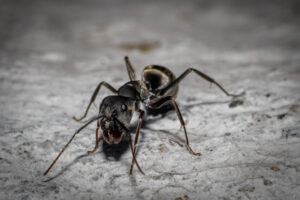
Ants top the list of pest calls in Massachusetts. Carpenter ants cause the most concern because they damage wood. Unlike termites, they dont eat wood. They excavate it to build nests. You might notice small piles of sawdust, called frass, near baseboards or window frames. Thats a sign of carpenter ant activity.
Pavement ants show up in kitchens and bathrooms. They nest under slabs and foundations, then send scouts inside to find food. One crumb on your counter can attract a trail of workers within hours.
Odorous house ants emit a rotten coconut smell when crushed. They form large colonies and can be stubborn to eliminate without professional help. DIY sprays often split the colony, making the problem worse.
Spring and early summer bring the heaviest ant pressure. Seal cracks around windows and doors. Keep food in airtight containers. Wipe down counters after cooking. These habits make your home less inviting.
Rodents: A Year-Round Threat
Mice and rats cause more damage than most homeowners realize. They chew wires, creating fire hazards. They contaminate food and surfaces with droppings and urine. They reproduce fast. A single pair of mice can produce dozens of offspring in one year.
House mice are the most common rodent pest in Central Massachusetts. They squeeze through gaps the size of a dime. Norway rats prefer basements and ground-level entry points. Roof rats, though less common here, sometimes show up in attics.
Fall brings the biggest surge in rodent control calls. As temperatures drop, mice and rats search for warm shelter. Your home offers food, water, and protection from predators.
Exclusion is the foundation of rodent management. This means sealing every gap, crack, and hole on your homes exterior. Steel wool, hardware cloth, and caulk work well for small openings. Larger gaps may need professional repair.
Check around pipes, utility lines, and foundation vents. Look at garage door seals and dryer vents. Any opening wider than a quarter inch is a potential entry point for mice.
Termites: Silent and Destructive
Eastern subterranean termites live throughout Massachusetts. They work underground, building mud tubes to reach wood above the soil line. You might not see them for years while they hollow out your floor joists and wall studs.
Spring swarms are often the first visible sign. Winged termites emerge to mate and start new colonies. They look similar to flying ants, but termites have straight antennae and equal-length wings.
Annual inspections are the best defense. A trained technician knows where to look and what to look for. Catching termites early can save you thousands in repair costs.
Reduce moisture around your foundation. Fix leaky gutters and downspouts. Keep mulch away from your siding. Termites need moisture to survive, so dry conditions discourage them.
Wasps, Hornets, and Bees
Stinging insects build nests in eaves, shrubs, wall voids, and underground cavities. Yellow jackets are aggressive, especially in late summer when their colonies peak. Paper wasps hang umbrella-shaped nests under decks and overhangs. Bald-faced hornets build large gray paper nests in trees and on buildings.
If you find a nest near a doorway or high-traffic area, removal is wise. Stings cause painful reactions in most people and severe allergic responses in some.
Honey bees and bumble bees provide pollination benefits. When possible, relocation is better than elimination. Many beekeepers will collect honey bee swarms at no charge.
Check your property in early summer before nests grow large. Small nests are easier and safer to handle.
Bed Bugs: Hitchhikers That Cause Misery
Bed bugs have made a comeback in recent decades. They travel on luggage, furniture, and clothing. Hotels, apartments, and even movie theaters can harbor them. You dont have to keep a dirty home to get bed bugs. Anyone can bring them home by accident.
Signs include small blood spots on sheets, dark fecal stains on mattress seams, and itchy welts on your skin. Bed bugs hide during the day and feed at night. They prefer tight spaces near where you sleep.
Treatment requires thoroughness. Every crack and crevice must be addressed. Heat treatment and targeted insecticides work well when applied correctly. DIY methods rarely succeed because bed bugs hide in places you wouldnt think to check.
Cockroaches: Resilient and Resourceful
German cockroaches thrive indoors, especially in kitchens and bathrooms. They reproduce rapidly and develop resistance to many pesticides. A small problem becomes a big one within weeks.
American cockroaches, sometimes called water bugs, prefer damp basements and drains. Oriental cockroaches are similar in habit and often enter through floor drains or gaps around pipes.
Sanitation is critical for cockroach control. Clean up grease, crumbs, and standing water. Fix leaky faucets. Store trash in sealed containers. An Integrated Pest Management approach combines sanitation, exclusion, and targeted treatments for lasting results.
Wildlife Conflicts
Squirrels, raccoons, skunks, and bats sometimes move into Massachusetts homes. Squirrels chew into attics. Raccoons tear off soffit panels. Skunks den under porches and sheds. Bats roost in attic spaces and wall voids.
Wildlife removal requires a different approach than insect control. State laws protect certain species. Humane trapping and exclusion are standard practices. After removal, sealing entry points prevents return visits.
A few years ago we got a call from a homeowner in Grafton who heard scratching in her attic every evening. She assumed mice at first. Turned out a family of flying squirrels had moved in through a gap at the roofline. We trapped and relocated them, then sealed the entry. She hasnt had trouble since.
Prevention: Your First Line of Defense
Most pest problems start outside your home. Overgrown vegetation, standing water, and debris piles create habitat for insects and rodents. Keeping your yard tidy reduces pest pressure.
Trim shrubs and tree branches away from your house. Store firewood at least twenty feet from your foundation. Clean gutters so water drains away from your home. Empty birdbaths and kiddie pools when not in use.
Inside, good habits make a difference. Vacuum regularly. Dont leave pet food out overnight. Take trash out often. Fix drips and leaks. These steps wont eliminate every pest, but they make your home less attractive.
Theres a well-known dog lovers saying: A tired dog is a good dog. The same idea applies to pest awareness. A watchful homeowner is a protected homeowner. When you pay attention to your home, you catch small problems before they become big ones.
When to Call a Professional
Some pest issues respond well to DIY efforts. A few ants in the kitchen might just need better sanitation and a tube of caulk. But many situations call for professional pest control services. Termites, bed bugs, carpenter ants, and rodent infestations are tough to handle without training and equipment.
Professionals bring knowledge you cant get from a product label. They identify species correctly, which matters because treatment methods vary. They find hidden entry points. They use products and techniques that arent available to consumers.
IPM principles guide modern pest control. This approach emphasizes inspection, identification, sanitation, exclusion, and targeted treatment. Its not about spraying everything. Its about solving the problem at its source.
What to Expect From an Inspection
A good inspection covers your entire home, inside and out. The technician checks the foundation, siding, roofline, windows, and doors. Inside, they look at basements, attics, kitchens, bathrooms, and utility areas.
They search for signs of activity: droppings, gnaw marks, frass, mud tubes, nests, and live insects. They identify conditions that attract pests, like moisture or food sources. They note entry points that need sealing.
After the inspection, you get a clear explanation of findings and recommendations. No pressure. Just information you need to make a decision.
Protecting Your Home Year-Round
Pest control isnt a one-time event. Its an ongoing process. Seasonal treatments and inspections help you stay ahead of problems. Quarterly or bi-monthly service plans are common for homeowners who want consistent protection.
Between visits, your own vigilance matters. Report new activity to your technician. Keep up with sanitation and maintenance. Ask questions when you have them.
Massachusetts pests arent going away. They share this region with us. But you can keep them out of your living space with the right approach.
If youre noticing signs of pests in your home, reach out to Bug Bully to schedule an inspection. Well take a look and help you figure out the next steps.