


Keeping pests out of your Massachusetts home doesn’t require chemicals or expensive contracts. With the right knowledge and a few hours of work each season, you can prevent most common pest problems before they start. This guide covers practical steps any homeowner can take to protect their property.
Why Prevention Matters More Than Treatment
Most pest problems start small. A single mouse finds a gap near your dryer vent. A few carpenter ants discover wet wood under a bathroom window. By the time you notice droppings or damage, the population has grown.
Prevention works better than treatment for three reasons. First, it costs less. A tube of caulk runs about five dollars. Second, it keeps pests from ever entering your living space. Third, it reduces your family’s exposure to pesticides.
Professional pest control services exist for good reason. Some infestations require expert treatment. But the homeowner who maintains their property will call for help far less often than the one who doesn’t.
Understanding Your Local Pest Calendar
Central Massachusetts has distinct pest seasons. Knowing what to expect helps you prepare.
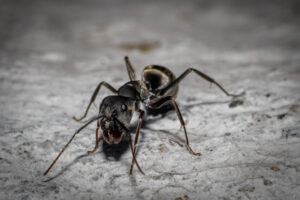
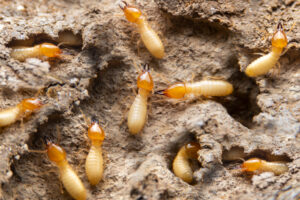
In spring, ants become active as soil temperatures rise. Carpenter ants swarm in April and May. You might see large winged ants near windows on warm afternoons. Termites swarm around the same time, and people often confuse the two. Carpenter ants have pinched waists and elbowed antennae. Termites have straight waists and straight antennae.
Summer brings wasps, hornets, and mosquitoes. Yellowjackets build nests underground or in wall voids. Paper wasps hang their umbrella-shaped nests under eaves and deck railings. Ticks remain active from April through November, with peak populations in June and July.
Fall triggers rodent activity. As nights cool, mice and rats seek warm shelter. Your home looks attractive to them. A mouse can squeeze through a hole the size of a dime. They start scouting entry points in September.
Winter doesn’t eliminate pests. It drives them indoors. Cluster flies gather in attics. Stink bugs appear on sunny walls. Rodents that entered in fall now live in your walls full time.
The Foundation Inspection
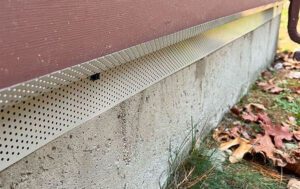
Start your prevention work at ground level. Walk the perimeter of your home with a flashlight and a notepad. Look at the point where your siding meets the foundation.
You’re searching for gaps, cracks, and holes. Pay attention to areas where utility lines enter. Electrical conduits, gas pipes, cable lines, and dryer vents all create potential entry points. Mice need just a quarter inch. Most homes have dozens of gaps this size.
Check your foundation for cracks. Hairline cracks don’t matter much. Cracks wider than a pencil lead deserve attention. These let in both pests and moisture.
Note any wood that contacts soil. Wooden steps, deck posts, and fence boards that touch the ground invite termites. The building code requires six inches of clearance between wood and soil for good reason.
Sealing Entry Points
Exclusion is the cornerstone of integrated pest management. The term means blocking pests from entering rather than killing them after they arrive. It works for every pest type.
For small gaps around pipes and wires, use copper mesh stuffed into the hole and covered with caulk. Mice can chew through foam insulation and standard steel wool. Copper mesh resists their teeth and doesn’t rust.
For larger openings, cut hardware cloth to size and secure it with screws or construction adhesive. Quarter-inch mesh keeps out mice. Eighth-inch mesh stops insects too.
Replace damaged vent covers. Dryer vents, soffit vents, and foundation vents should have intact screens. A missing screen on one dryer vent can let in birds, bats, or a family of mice over a single winter.
Don’t forget door sweeps. The gap under your garage service door might be your biggest entry point. Install a brush or vinyl sweep that contacts the threshold.
Managing Moisture
Many pests need water as much as food. Eliminate moisture, and you make your home less attractive to them.
Carpenter ants prefer wet wood. They don’t eat it like termites do. They excavate galleries for nesting. If you see coarse sawdust, called frass, near baseboards or window frames, check for water damage in that area. Fix the leak first. The ants came second.
Silverfish and house centipedes thrive in damp basements. A dehumidifier set to maintain 50 percent humidity will make the space less hospitable to them. It also protects your stored belongings from mold.
Clean your gutters twice a year. Clogged gutters cause water to back up against fascia boards and overflow near foundations. Both conditions attract pests and cause structural damage.
Fix dripping faucets and running toilets. A slow leak under a kitchen sink creates perfect conditions for cockroaches. They’ll drink from wet wood and cardboard.
Landscaping for Pest Prevention
Your yard is the first line of defense. How you maintain it affects what enters your home.
Keep vegetation away from your siding. Shrubs and tree branches touching your house create bridges for ants, spiders, and rodents. Maintain at least twelve inches of clearance. This also improves air circulation and helps siding dry after rain.
Move firewood away from the house. Stack it at least twenty feet from any structure and keep it off the ground. Firewood attracts carpenter ants, termites, spiders, and mice. Bringing it inside immediately before burning is fine. Storing it in the garage is not.
Reduce mulch depth near foundations. Deep mulch holds moisture and provides cover for insects. Two inches is enough. Consider using stone or rubber mulch in the first foot next to your foundation.
Remove debris piles. Old lumber, stacked pavers, and leaf piles provide shelter for pests. A forgotten tarp in the corner of the yard can house hundreds of slugs and the rodents that eat them.
Indoor Practices That Work
Inside the home, sanitation matters most. Pests need food, water, and shelter. Deny them these things.
Store food in sealed containers. This includes pet food, birdseed, and pantry staples. Indian meal moths can chew through cardboard and thin plastic. Glass jars and thick plastic containers with tight lids work better.
There’s a dog lover’s saying that goes, “Your dog will teach you more about yourself than any book ever could.” The same principle applies to pest awareness. Watch how your pet behaves. Dogs will sniff at walls where mice travel. Cats will stare at spots where insects hide. Your pets notice things before you do.
Clean under appliances twice a year. The gap behind your refrigerator collects crumbs and grease. So does the space under your stove. These areas feed cockroaches, mice, and ants.
Take trash out regularly. Don’t let garbage sit overnight in the kitchen. Use cans with tight lids both inside and outside. Rinse recyclables before storing them.
Address clutter in storage areas. Cardboard boxes in basements and attics provide shelter and nesting material for rodents. Plastic bins with lids are better choices.
Knowing When to Call a Professional
DIY prevention has limits. Some situations require professional expertise.
A few years ago we got a call from a homeowner in Grafton who had tried to handle a yellowjacket nest in his wall cavity with foam spray from the hardware store. The foam blocked the exterior entrance, but the wasps found their way into the house through gaps around an electrical outlet. He learned that partial treatment can make problems worse.
Call a professional when you find termite swarmers or shelter tubes. Termite damage progresses hidden inside wood. By the time you see evidence, structural repairs might be needed. Early detection matters.
Call when you see multiple rodents or hear activity in walls. A mouse or two might leave on their own. A breeding population won’t. Professionals can identify entry points you’ve missed.
Call when you find bed bugs. These pests require specialized treatment. Home remedies don’t eliminate them.
Call when carpenter ant activity continues after addressing moisture issues. The colony might be outdoors with satellite nests in your walls. Finding and treating the main colony requires experience and sometimes specialized equipment.
Effective home pest control combines your ongoing prevention work with professional intervention when needed. Neither works as well alone.
Seasonal Maintenance Checklist
Spring tasks include inspecting the foundation after frost heave, clearing debris from window wells, and checking attic vents for winter damage. Replace any torn screens before insects become active.
Summer tasks include monitoring for wasp nests weekly, checking door sweeps for wear, and trimming vegetation away from the house. Empty standing water from planters and toys after rain.
Fall tasks include sealing gaps before rodent season, installing door sweeps on garage doors, and storing outdoor cushions and covers in sealed containers. Remove fallen fruit from beneath trees.
Winter tasks include checking the attic for signs of animal entry, monitoring the basement for moisture issues, and inspecting stored food products for pest activity. Keep snow cleared from foundation vents.
Building a Prevention Routine
The homeowners who avoid pest problems share one trait. They pay attention. They notice the small signs before they become big problems. A few ants in April. One mouse dropping in October. A wasp entering a gap in the soffit.
Build pest awareness into your regular home maintenance. When you change furnace filters, check the basement for moisture. When you clean gutters, look at the fascia boards. When you put away holiday decorations, inspect the storage area.
Prevention isn’t glamorous work. It’s caulk and mesh and taking out the trash. But it keeps your home comfortable and your family safe. It protects your investment in your property.
If you’re seeing signs of pests in your home, reach out to Bug Bully to schedule an inspection. Our team serves homeowners throughout Central Massachusetts, from Worcester to Boston and the surrounding communities. We can identify what you’re dealing with and help you decide on next steps.