


How to Get Rid of Cockroaches in Worcester MA
Cockroaches rank among the most persistent household pests in Central Massachusetts. Understanding their behavior and treatment options helps you protect your home and family. This guide covers identification, prevention, and professional treatment methods that work in our New England climate.
Why Cockroaches Thrive in Massachusetts Homes
Our region presents unique conditions for cockroach infestations. Cold winters drive pests indoors. Older housing stock in Worcester, Shrewsbury, and surrounding towns often has gaps and cracks that provide entry points. Basements stay damp. Kitchens offer food sources. These factors combine to create environments where cockroaches can establish populations year-round.
German cockroaches remain the most common species in Central MA homes. They reproduce fast. A single female can produce hundreds of offspring in her lifetime. American cockroaches, sometimes called water bugs, appear less often but still cause concern when they show up in basements or near floor drains.
Oriental cockroaches prefer cool, damp areas. You might find them in basements, crawl spaces, or around foundation walls. Each species requires a different approach to treatment, which is why proper identification matters before any control plan begins.
Signs You Have a Cockroach Problem
Cockroaches hide during daylight hours. By the time you spot one in your kitchen at night, the population has grown. Learning to recognize early warning signs helps you catch infestations before they spread.
Look for frass, which resembles coffee grounds or black pepper. You’ll find it in cabinet corners, drawer cracks, and along baseboards. Larger cockroaches leave droppings that look like small pellets with ridges.
Egg cases called oothecae appear in hidden spots. German cockroach oothecae are tan and about the size of a dried bean. Finding even one suggests an active population nearby.
A musty odor sometimes indicates a significant infestation. This smell comes from pheromones cockroaches release to communicate. If you notice an unusual scent in your kitchen or bathroom, investigate further.
Shed skins also signal cockroach activity. As nymphs grow, they molt several times before reaching adulthood. These translucent husks accumulate in harborage areas.
Health Concerns for Your Family
Cockroaches pose real health risks. They carry bacteria on their bodies and legs. As they crawl across countertops and food prep surfaces, they spread pathogens that can cause food poisoning and digestive illness.
Cockroach allergens trigger asthma symptoms, particularly in children. Studies link cockroach exposure to increased asthma severity in urban and suburban homes alike. The proteins in their droppings, saliva, and shed skins become airborne and aggravate respiratory conditions.
Taking cockroach infestations serious protects your household’s health. Quick action reduces exposure and limits population growth.
Prevention Strategies That Work
Effective cockroach control starts with prevention. These pests need three things to survive: food, water, and shelter. Eliminate access to these resources and you make your home far less attractive to them.
Clean your kitchen each night. Wipe counters. Sweep floors. Store food in sealed containers. Don’t leave pet food out overnight. Empty trash cans that contain food scraps.
Fix leaky pipes and faucets. Cockroaches can survive weeks without food but only days without water. A dripping pipe under your sink provides the moisture they need. Address plumbing issues promptly.
Reduce clutter, especially in storage areas. Cardboard boxes attract cockroaches. They eat the glue that holds boxes together and use the corrugated layers for harborage. Switch to plastic bins with tight lids for basement and attic storage.
Seal entry points around your home. Caulk gaps around pipes where they enter walls. Install door sweeps. Repair torn window screens. This exclusion work forms a critical part of integrated pest management, or IPM, which combines prevention with targeted treatment.
A Field Example from Grafton
A few years ago we got a call from a homeowner in Grafton who kept finding German cockroaches in her kitchen despite her efforts to keep things clean. She felt frustrated and embarrassed. During our inspection, we traced the source to a gap around a dishwasher water line. Cockroaches had established a harborage in the wall void behind the appliance. We treated the area, sealed the gap, and installed monitoring stations. Within three weeks, the population collapsed. Her relief reminded us why proper inspection matters more than any single treatment method.
How Pest Control Professionals Approach Cockroach Treatment
Professional treatment differs from store-bought sprays and baits. Technicians trained in IPM principles assess the full situation before applying any product. They identify species, locate harborage areas, and determine how cockroaches entered your home.
Gel baits placed in cracks and crevices work well for German cockroaches. The pests consume the bait and carry it back to their hiding spots, where it spreads through the population. This targeted approach reduces the need for broadcast spraying.
Dust formulations treat wall voids and other inaccessible areas. These products provide long-lasting residual control in spaces where cockroaches travel but homeowners can’t reach.
Growth regulators interrupt the cockroach life cycle. They prevent nymphs from maturing and reproducing. Combined with baits and dusts, these products accelerate population decline.
Our pest control services follow IPM principles. We focus on lasting results rather than quick fixes that let populations rebound.
Why DIY Methods Often Fall Short
Hardware store products have their place, but they rarely solve established infestations. Aerosol sprays kill cockroaches on contact, yet they scatter the population deeper into walls and make the problem harder to resolve. Foggers, sometimes called bug bombs, push pests into untreated areas and leave residue on surfaces throughout your home.
Over-the-counter baits can help with minor problems. However, improper placement reduces their effectiveness. Cockroaches have specific travel patterns. Placing bait where they don’t walk wastes product and time.
Knowing how pest control works at a professional level helps you understand why experts get better results. Training, experience, and access to commercial-grade products make the difference.
The Connection Between Cockroaches and Other Pests
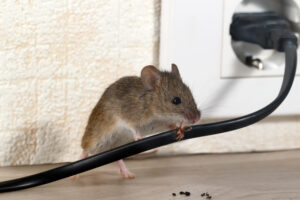
Cockroach problems sometimes overlap with other pest issues. The conditions that attract roaches can also attract rodents. Both seek food, water, and shelter in similar locations.
If you notice signs of both pests, address them together. Our rodent control services complement cockroach treatment. A comprehensive approach prevents one infestation from enabling another.
There’s a dog lover’s saying that goes, “If you think your dog is talking to you, you’re probably right.” The idea is that paying attention to subtle signals reveals what’s happening around you. The same applies to pest awareness. Small signs like a single cockroach sighting or a few droppings in a drawer tell you something. Don’t ignore them. Early detection makes control easier and less costly.
What to Expect During a Professional Inspection
A thorough inspection takes time. Technicians examine kitchens, bathrooms, basements, and utility areas. They check behind appliances, inside cabinets, and around plumbing fixtures. They look for the signs discussed earlier: frass, oothecae, shed skins, and live insects.
Expect questions about when you first noticed activity, where you’ve seen cockroaches, and what steps you’ve taken so far. This information helps technicians develop an effective treatment plan.
After the inspection, you’ll receive recommendations tailored to your situation. Some homes need a single treatment. Others benefit from ongoing monitoring and maintenance. The goal is eliminating the current population and preventing future problems.
Seasonal Considerations in Central Massachusetts
Cockroach activity in our region follows seasonal patterns. Summer brings increased populations as warm weather speeds reproduction. Fall triggers movement indoors as temperatures drop. Winter concentrates activity in heated living spaces.
Many homeowners first notice cockroaches during kitchen renovations or spring cleaning. Disturbing harborage areas drives pests into the open. If you’re planning a remodel, consider scheduling an inspection beforehand. Treating before construction prevents spreading existing populations to new areas of your home.
Properties between Worcester and Boston share similar building styles and pest pressures. Triple-deckers, historic homes, and newer construction each present different challenges. A treatment plan that works in one property type may need adjustment for another.
Long-Term Protection for Your Home
Eliminating an active infestation marks the first step. Keeping cockroaches out requires ongoing attention. Continue the prevention practices outlined earlier. Monitor for new activity. Address moisture issues as they arise.
Periodic inspections catch problems before they grow. Many homeowners in Central MA schedule seasonal check-ups as part of a broader pest management plan. This proactive approach costs less than reactive treatment and keeps your home comfortable year-round.
Work with a local company that understands Massachusetts homes and pest pressures. National chains often rotate technicians, so you explain your situation again with each visit. Local companies build relationships and maintain detailed records of your property’s history.
Taking the Next Step
Cockroaches won’t leave on their own. The longer you wait, the larger the population grows. Early treatment saves time, money, and stress.
If you’re noticing cockroach activity or other pest concerns in your home, reach out to Bug Bully. You can schedule an inspection and get expert guidance specific to your situation. We serve homeowners throughout Central Massachusetts and look forward to helping you reclaim your space.