


Rats have become a growing concern in Massachusetts neighborhoods, from Worcester to the Greater Boston suburbs. This guide covers practical steps you can take to protect your home, plus signs that tell you when it’s time to call in professional help.
Why Rat Activity Is Rising in Central Massachusetts
You might think rats are just a city problem. They’re not. Over the past decade, rat populations have spread into suburban and even semi-rural areas across Central Massachusetts. Several factors drive this trend.
Development pushes wildlife out of their natural habitats. When new construction breaks ground, rats lose their burrows and food sources. They move. Often, they move toward your neighborhood.
Climate plays a role too. Milder winters mean more rats survive to breed in spring. A single pair of Norway rats can produce up to 15,000 descendants in one year under ideal conditions. That number sounds extreme, but it shows how fast populations can grow when left unchecked.
Outdoor dining areas, backyard chicken coops, and bird feeders have also become more popular. Each of these can attract rodents if not managed with care.
Know Your Enemy: Norway Rats vs Roof Rats
In Massachusetts, you’ll most often encounter Norway rats. These are the large, brown rats that burrow underground. They dig along foundations, under sheds, and near garbage areas. Their burrow entrances are about two to three inches wide with smooth edges from repeated use.
Roof rats are less common here but do appear. They’re smaller and darker. They prefer to nest above ground in attics, trees, or dense ivy. If you hear scratching in your ceiling, roof rats might be the cause.
Identifying which species you’re dealing with helps determine the right approach. Norway rats require different treatment than roof rats. Bait placement, trap location, and exclusion methods all vary based on the species and its habits.
Signs of Rat Activity Around Your Home
Catching a problem early makes it easier to solve. Watch for these signs around your property.
Droppings are the most obvious indicator. Rat droppings are dark, shiny when fresh, and about the size of a raisin. You’ll find them along walls, near food sources, and in hidden corners of basements or garages.
Gnaw marks appear on wood, plastic, and even soft metals. Rats must chew to keep their teeth worn down. Fresh gnaw marks look lighter in color. Old ones darken over time.
Burrows show up along your foundation, under decks, or near compost bins. Look for holes with worn paths leading to and from them. Active burrows are clear of debris and cobwebs.
Grease marks form along walls and baseboards where rats travel. Their fur carries oils that leave dark smudges on surfaces they brush against.
Sounds at night often reveal a hidden problem. Scratching, squeaking, or movement in walls and ceilings typically indicates rodent activity.
The Integrated Pest Management Approach
Professional rodent control relies on a method called Integrated Pest Management, or IPM. This approach combines multiple strategies rather than depending on a single tactic.
IPM starts with inspection. A technician examines your property to identify entry points, food sources, harborage areas, and signs of activity. Without knowing what you’re dealing with, treatment becomes guesswork.
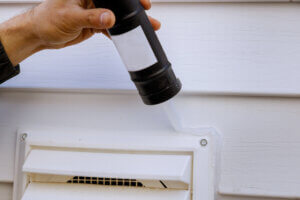
Next comes exclusion. This means sealing gaps and holes that rats use to enter your home. Rats can squeeze through openings the size of a quarter. Common entry points include gaps around pipes, damaged vent screens, and spaces where utilities enter the structure.
Sanitation follows. Removing food and water sources makes your property less attractive to rodents. This doesn’t mean your home is dirty. Even clean homes can provide food sources through pet bowls, bird seed, or accessible garbage.
Population reduction comes last. This includes trapping and baiting in appropriate locations. In residential settings, tamper-resistant bait stations protect children and pets while targeting rodents.
Prevention Steps You Can Take Today
You don’t need to wait for a professional to start protecting your home. These steps reduce your risk of rat problems.
Store food in sealed containers. This includes pet food, birdseed, and pantry items. Rats have an excellent sense of smell and can detect food through cardboard and thin plastic.
Keep your yard clean. Trim bushes away from your foundation. Remove leaf piles and debris. Stack firewood at least 20 feet from your house and keep it elevated.
Manage your garbage. Use bins with tight-fitting lids. Don’t leave bags on the ground overnight. Clean bins periodically to remove food residue.
Address water sources. Fix leaky hoses and faucets. Empty plant saucers. Rats need water daily and will stay close to reliable sources.
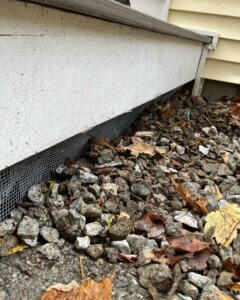
Inspect your foundation. Walk around your home and look for gaps, cracks, or holes. Pay attention to areas where pipes or wires enter the structure. Seal small gaps with steel wool backed by caulk. Larger openings may need hardware cloth or metal flashing.
Check your garage door. A worn seal at the bottom creates an easy entry point. Replace damaged weatherstripping.
Special Concerns for Bird Lovers and Backyard Farmers
Bird feeders are a common attraction for rats in Massachusetts neighborhoods. Seed falls to the ground. Rats find it. The cycle begins.
If you feed birds, consider switching to a no-mess seed blend that reduces spillage. Bring feeders in at night. Place them away from structures and clean up fallen seed regularly.
Backyard chickens present another challenge. The feed, the eggs, and the birds themselves can attract rats. Use metal feeders and store feed in steel containers. Collect eggs daily. Make sure your coop is secure, with hardware cloth extending underground to prevent burrowing.
Compost bins need attention too. Avoid adding meat, dairy, or cooked foods. Turn your pile regularly. A well-maintained compost bin generates heat that discourages nesting.
A Neighborhood Problem Requires Neighborhood Solutions
There’s a saying among dog lovers: A tired dog is a good dog. The same idea applies to pest awareness. A watchful homeowner is a protected homeowner. When you pay attention to your property and take consistent action, problems stay small.
But here’s the thing about rats. They don’t respect property lines. A neighbor with an overgrown yard or open garbage can affect your home. Rats travel. They establish territories that span multiple properties.
Talk to your neighbors if you notice signs of rat activity in the area. Many communities have had success when multiple households address the issue together. This might mean coordinating cleanup efforts or sharing information about professional pest control services.
Municipal programs exist in some Massachusetts towns. Contact your local board of health to ask about resources or rodent control initiatives in your area.
When DIY Methods Aren’t Enough
Store-bought traps and baits work for minor issues. If you catch one or two rats and the activity stops, you’ve likely solved the problem. But rats are cautious and intelligent. Established populations often require professional intervention.
A few years ago we got a call from a homeowner in Grafton who had been fighting a rat problem for months. He’d set traps in his garage and caught several rats, but the activity continued. When we inspected, we found burrows along his foundation and gnaw marks on the foam insulation in his basement. The rats had multiple entry points and were nesting inside the wall voids. His traps caught the bold ones, but the colony kept growing. It took a full exclusion effort, targeted baiting, and ongoing monitoring to bring the situation under control.
That case illustrates a common pattern. Homeowners handle what they can see. The hidden activity continues. By the time they call for help, the problem has grown.
What to Expect from Professional Treatment
A thorough inspection comes first. The technician will check inside and outside your home. They’ll look for entry points, evidence of activity, and conditions that attract rodents.
Based on the findings, they’ll develop a treatment plan. This might include sealing entry points, placing bait stations in secure locations, setting traps in active areas, and recommending sanitation changes.
Follow-up visits matter. Rodent control isn’t a one-time fix. Monitoring ensures the population is declining and identifies any new activity.
A good pest control company will explain what they’re doing and why. They’ll answer your questions. They won’t pressure you into services you don’t need.
Protecting Your Home Long-Term
Once you’ve addressed an active problem, prevention becomes the priority. Seasonal inspections help catch new issues early. Many homeowners schedule visits in fall, when rodents seek shelter from the cold, and again in spring.
Keep up with maintenance. Check door seals. Inspect your foundation after winter. Replace damaged vent covers. Small repairs prevent big problems.
Stay aware of changes in your neighborhood. New construction, vacant properties, and changes in neighboring yards can shift rodent populations toward your home.
Document any signs of activity you notice. Photos of droppings, gnaw marks, or burrows help your pest control technician understand what’s happening between visits.
Take Action Before the Problem Grows
Rats are a solvable problem. With the right approach, you can protect your home and your family. Start with prevention. Address any signs of activity you notice. And know when to call for professional help.
If you’re seeing signs of rodent activity around your home, reach out to Bug Bully to schedule an inspection. We serve homeowners across Central Massachusetts and can help you develop a plan that fits your situation.