


Rodents don’t follow a calendar, but their behavior shifts with the seasons. Understanding these patterns helps you protect your home year-round. This guide covers what Central Massachusetts homeowners need to know about mice, rats, and other rodents as conditions change throughout the year.
Why Seasonal Patterns Matter
New England weather creates distinct challenges for rodent management. Our region sees temperature swings of 100 degrees or more between winter lows and summer highs. Rodents respond to these changes in predictable ways. They seek shelter when it gets cold. They breed when conditions improve. They forage when food sources appear.
Knowing what to expect each season lets you stay ahead of problems. Prevention costs less than treatment. A little effort at the right time saves you money and headaches later.
The pest control Massachusetts homeowners need varies by season. What works in January won’t match what you need in July. Let’s break down the year.
Spring: The Breeding Season Begins
March through May brings warmer temperatures and longer days. Rodents that survived winter start breeding. A single mouse can produce up to ten litters per year. Each litter contains five to twelve pups. The math gets scary fast.
Spring is when you might notice activity increasing. Mice and rats venture out more. They expand their territories. Young rodents from winter litters reach maturity and start looking for their own space.
This is prime time for exterior inspections. Walk around your foundation. Look for gaps, cracks, and holes. Mice can squeeze through openings the size of a dime. Rats need about a quarter-sized gap. Check where utility lines enter your home. Inspect dryer vents and crawl space access points.
Address moisture issues now. Fix leaky hose bibs. Clear debris from foundation plantings. Trim vegetation that touches your siding. Rodents use these as highways to your walls.
Spring cleanup matters for rodent control. Remove leaf piles and brush that accumulated over winter. These provide nesting material and cover. Store firewood at least twenty feet from your house.
Summer: Activity Peaks Outside
June through August brings the highest outdoor rodent activity. Food sources are abundant. Gardens produce vegetables. Fruit falls from trees. Bird feeders overflow with seeds. Compost piles heat up and generate attractive odors.
Most rodents prefer to stay outside when conditions are good. Your home becomes less appealing when natural food and shelter are available. But problems still develop. Garages and sheds see more traffic. Outdoor structures like pool houses and detached workshops attract nesting rodents.
Focus on food source management during summer months. Clean up fallen fruit. Harvest vegetables on time. Use enclosed compost bins. Consider removing bird feeders or using seed catchers. Store pet food inside.
Keep grass trimmed short near your foundation. Tall grass provides cover for rodents moving between areas. A clear buffer zone makes your property less attractive.
Summer is a good time for professional inspections. Activity patterns are visible. Technicians can identify entry points and runways before fall migration begins. Quality pest control services include this kind of assessment as part of integrated pest management, or IPM, protocols.
Fall: The Push Indoors
September through November is when most homeowners notice rodent problems. Temperatures drop. Food becomes scarce outside. Rodents sense the change and start seeking winter shelter.
A few years ago we got a call from a homeowner in Grafton who heard scratching in her walls every night around sunset. She had lived in the house for twelve years without a single mouse sighting. That fall, conditions aligned for a major invasion. A nearby construction project displaced a population of field mice. Acorns were abundant, attracting more rodents to her neighborhood. One small gap around her dryer vent became the entry point for dozens of mice over three weeks. We sealed seventeen openings around her foundation and removed the resident population. She hasn’t had a problem since.
Fall exclusion work is critical. This means sealing entry points with appropriate materials. Steel wool, copper mesh, hardware cloth, and concrete all have their place. Foam alone won’t stop a determined rodent. They chew through it in minutes.
Check weatherstripping on garage doors. Inspect door sweeps on all exterior doors. Look at window frames in basements. Examine soffits and fascia for damage. Any gap you can see daylight through is a potential entry point.
Fall is also when you should prepare indoor storage areas. Organize boxes off the floor. Use plastic containers instead of cardboard when possible. Clear clutter that provides nesting sites.
Winter: Indoor Management
December through February tests your prevention efforts. Rodents are inside for the season. They’ve established nests, food sources, and travel routes. Activity may seem lower because they’re settled in.
Watch for signs of rodent presence. Droppings appear along walls and in cabinets. Gnaw marks show on food packaging and woodwork. You might notice a musky odor in enclosed spaces. Frass, the debris rodents leave behind, accumulates near entry points and nesting areas.
Seasonal pest control during winter focuses on population reduction and continued exclusion. Monitor any baiting stations. Check snap traps. Document activity patterns. Professional monitoring programs catch problems before they grow.
Winter inspections often reveal vulnerabilities you missed earlier. Snow provides tracking opportunities. Footprints and tail drag marks show where rodents travel. Melting snow around foundation gaps indicates warm air escaping, and rodents notice these thermal signatures too.
Keep interior food sources secure. Store dry goods in glass or metal containers. Clean under appliances. Address moisture in basements and crawl spaces. Rodents need water, and your plumbing provides it.
Signs You Have a Problem
Rodent evidence ranges from obvious to subtle. Fresh droppings are dark and soft. Old droppings are gray and crumble when touched. Mouse droppings are about the size of a grain of rice. Rat droppings are larger, similar to a raisin.
Gnaw marks tell you what you’re dealing with. Mice leave small, clean marks. Rats create larger, rougher damage. Fresh gnawing shows light-colored wood. Old damage darkens over time.
Grease marks appear along runways. Rodents travel the same paths repeatedly. Their fur deposits oils on surfaces they contact. These rub marks are more common with rats than mice.
Sounds matter too. Scratching, squeaking, and scurrying in walls or ceilings indicate activity. Noises at night suggest mice or rats. Daytime sounds might mean a larger population competing for resources.
Nests appear in hidden areas. Shredded paper, fabric, and insulation get pulled together into loose balls. Check behind appliances, in storage boxes, and in wall voids when possible.
Prevention Fundamentals
There’s a saying among dog lovers: an ounce of prevention is worth a pound of cure. The same principle applies to pest awareness. Small efforts now prevent major problems later. Regular inspections catch issues early. Consistent maintenance keeps rodents out.
Exclusion is your first line of defense. A sealed home is a protected home. This means ongoing attention to your building envelope. Check it twice a year at minimum. Address damage from weather, aging, and wildlife.
Sanitation reduces attractiveness. Rodents need food, water, and shelter. Deny them these resources and they’ll look elsewhere. This doesn’t mean your home is dirty. It means being strategic about what you store and where.
Population monitoring catches problems before they explode. One mouse becomes dozens in months. One rat pair can produce hundreds of offspring in a year. Early detection matters.
Documentation helps identify patterns. Note when and where you see evidence. Track what prevention measures you’ve taken. This information helps professionals serve you better.
When to Call a Professional
DIY approaches work for minor issues. A single mouse in the garage might respond to a few traps. But some situations require professional intervention.
Call for help when you see multiple rodents. Daytime sightings suggest high populations. Rats warrant professional treatment in most cases. They’re smarter, larger, and more dangerous than mice.
Signs of nesting in wall voids need expert assessment. So do situations involving contaminated insulation. Health risks from rodent waste require proper handling and disposal.
Repeated failures with home remedies indicate a larger problem. If you’ve tried traps and they’re not working, something else is going on. Professionals have better tools and deeper knowledge.
Commercial-grade exclusion materials last longer than hardware store options. Professional monitoring programs catch subtle changes. Technicians trained in IPM approaches consider the whole picture, not just the symptom you reported.
Protecting Your Investment
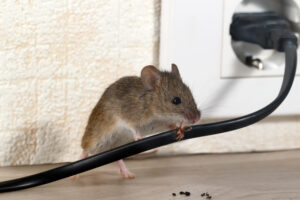
Your home represents a major investment. Rodents threaten that investment in several ways. They damage insulation, reducing energy efficiency. They chew electrical wiring, creating fire hazards. They contaminate stored items. They undermine structural elements over time.
Regular maintenance protects property values. Documented pest control protects you during real estate transactions. Consistent prevention costs less than emergency treatment.
Central Massachusetts homeowners face the same rodent pressures as the rest of New England. Our old housing stock has plenty of entry points. Our varied landscapes support healthy rodent populations. Our winters drive them inside.
Understanding seasonal patterns puts you ahead of most problems. Spring and fall warrant extra attention. Summer maintenance prevents fall invasions. Winter monitoring catches what slipped through.
If you’re seeing signs of rodent activity in your home, don’t wait for the problem to grow. Contact Bug Bully to schedule an inspection and get expert guidance on protecting your property.