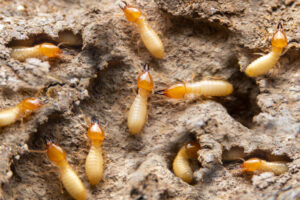



Termites cause more property damage in the United States than fires, floods, and storms combined. For homeowners in Worcester and across Central Massachusetts, understanding termite behavior and knowing when to call for professional help can save thousands of dollars in structural repairs. This guide covers what you need to know about termite inspections, warning signs, and effective control methods.
Why Termite Inspections Matter in Central Massachusetts
Many homeowners assume termites are a problem for warmer climates. That assumption costs Massachusetts property owners millions each year. Eastern subterranean termites thrive in our region. They build colonies in soil and travel through mud tubes to reach the wood in your home. By the time you notice damage, they may have been feeding for years.
A termite inspection gives you a clear picture of what is happening inside your walls, foundation, and support structures. Professional inspectors know where to look. They check crawl spaces, basement joists, window frames, and areas where wood contacts soil. They also look for conditions that attract termites in the first place.
Regular inspections are part of a smart approach to home maintenance. Think of them the same way you think about checking your roof or servicing your furnace. You catch small problems before they turn into expensive ones.
How Termites Operate
Subterranean termites live underground in large colonies. A mature colony can contain hundreds of thousands of workers. These workers are the ones that damage your home. They eat cellulose, which is found in wood, paper, and cardboard.
Termites need moisture to survive. They build mud tubes to travel between their colony and their food source. These tubes protect them from open air and predators. You might find mud tubes on your foundation walls, along floor joists, or in dark corners of your basement.
Swarmers are reproductive termites that emerge in spring. You might see them near windows or light fixtures. Finding swarmers inside your home is a strong indicator of an active colony nearby. Finding discarded wings is another sign. Swarmers shed their wings after mating.
Termites work around the clock. They do not sleep. A colony feeding on your home does so every hour of every day. This is why early detection matters so much.
Warning Signs Every Homeowner Should Know
Termites are secretive. They work inside wood and behind walls. But they leave evidence if you know what to look for.
Mud tubes are the most obvious sign. Check your foundation, both inside and outside. Look along basement walls and around pipes that enter your home. The tubes are about the width of a pencil and made of soil and termite saliva.
Frass is termite droppings. Drywood termites push frass out of small holes in wood. It looks like tiny pellets or sawdust. Subterranean termites do not leave frass in the same way, but you might notice soil deposits or gritty material near damaged areas.
Wood damage from termites has a distinct pattern. The wood sounds hollow when tapped. You might see a honeycomb texture inside damaged boards. Paint may bubble or peel where termites are feeding beneath the surface.
Doors and windows that stick can indicate termite damage. As termites eat through framing, the structure shifts. This causes frames to warp.
If you see swarmers inside your home, take it as a serious warning. Call for an inspection right away.
A Case From the Field
A few years ago we got a call from a homeowner in Grafton. She had noticed what she thought were flying ants near her kitchen window. By the time we arrived, the swarm had settled. But we found dozens of discarded wings on the windowsill.
Our inspection revealed mud tubes running up the foundation in the basement. Termites had been feeding on the floor joists for at least two seasons. The homeowner had no idea. The damage was not visible from the living space. We treated the property and coordinated with a contractor who replaced the compromised joists.
That experience stuck with us. It showed how termites can cause major damage without giving obvious clues. It also showed why regular inspections are worth the time.
What Happens During a Professional Inspection
A thorough termite inspection covers your entire property. The inspector examines the foundation, basement, crawl space, attic, and all accessible wood structures. They look for active infestations, past damage, and conditions that invite termites.
Moisture problems are a major factor. Leaky pipes, poor drainage, and damp basements create conditions termites love. A good inspector will point out these issues and recommend fixes.
The inspector also checks for wood-to-soil contact. This is a common entry point. Deck posts, porch steps, and fence posts that touch the ground give termites direct access to your home.
After the inspection, you receive a detailed report. It covers findings, risk factors, and treatment options if needed. A report might also include recommendations for prevention. This is where integrated pest management comes in. IPM combines treatment with habitat modification and monitoring. The goal is long-term protection, not just a quick fix.
Treatment Options for Termite Infestations
When termites are found, treatment depends on the severity and location of the infestation. Liquid treatments create a barrier in the soil around your foundation. Termites that pass through the treated zone carry the product back to the colony. This eliminates the source of the problem.
Bait stations are another option. They use cellulose material laced with a slow-acting product. Worker termites feed on the bait and share it with the colony. Bait systems require ongoing monitoring but work well for certain situations.
Some properties need a combination of methods. A professional will assess your situation and recommend the right approach. Effective termite control is not one-size-fits-all. It requires knowledge of termite behavior and experience with local conditions.
There is a dog lover’s saying that goes, “It’s not the size of the dog in the fight, it’s the size of the fight in the dog.” The same applies to pest awareness. It is not the size of the infestation that determines how much damage occurs. It is how long the problem goes unnoticed. Small colonies cause big problems when given time. Staying alert and scheduling regular inspections keeps small problems from becoming disasters.
Prevention Starts With Your Property
You can reduce your termite risk by making your home less attractive to them. Start with moisture control. Fix leaky faucets and pipes. Make sure gutters direct water away from your foundation. Use a dehumidifier in damp basements.
Eliminate wood-to-soil contact wherever possible. Raise deck posts on concrete footings. Replace wooden fence posts with metal or composite materials. Store firewood at least twenty feet from your home and keep it off the ground.
Remove dead trees and stumps from your yard. These are termite magnets. Clear debris from around your foundation. Mulch is popular for landscaping, but keep it thin and away from your siding. Termites can use thick mulch beds as highways to your home.
Proper ventilation in crawl spaces and attics reduces moisture buildup. Seal cracks in your foundation. These small steps support the work your pest control provider does. They are part of a complete IPM approach.
Why Work With a Local Professional
National chains offer pest control, but local providers understand the specific challenges of Central Massachusetts. We know the soil types, climate patterns, and construction styles common in Worcester, Shrewsbury, Grafton, and towns all the way to Boston. This knowledge makes a difference.
Local professionals also build relationships with homeowners. We are part of your community. When you call for pest control services, you talk to someone who knows your area. That connection matters when you have questions or need follow-up care.
Termite work requires licensing and training. Massachusetts has strict regulations for termite treatment. Make sure any provider you hire holds the proper certifications and carries liability insurance. Ask about their experience with subterranean termites and their approach to treatment and prevention.
When to Schedule an Inspection
If you are buying or selling a home, a termite inspection is a smart move. Most lenders require one. But inspections are not just for real estate transactions. Schedule one if you notice any warning signs. Schedule one if you have not had your home checked in the past few years. Schedule one if your neighbor has had a termite problem.
Spring is peak swarming season in Massachusetts. If you see swarmers or discarded wings, act fast. But termite workers feed year-round. An inspection in any season can reveal problems.
Annual inspections give you peace of mind. They catch issues early. They help you maintain your home’s value. For older homes or properties with a history of moisture problems, inspections are even more important.
Protecting Your Investment
Your home is likely your largest investment. Protecting it from termites protects your equity and your family’s comfort. The cost of an inspection is small compared to the cost of structural repairs.
Termite damage is not covered by most homeowners insurance policies. Insurers consider it a maintenance issue, not a sudden event. This means repair costs come out of your pocket. Prevention and early detection are your best defenses.
Working with a trusted pest control provider gives you a partner in home maintenance. Regular service, clear communication, and honest assessments make all the difference. You deserve straight answers and effective solutions.
If you are noticing signs of termites or just want to make sure your home is protected, reach out to Bug Bully. We are here to help homeowners across Central Massachusetts keep their properties safe. Contact us to schedule an inspection and get the answers you need.