


Mice are one of the most common pests in Massachusetts homes, and they don’t wait for an invitation. This guide covers practical DIY mouse control methods you can start using today, plus tips on when it’s time to call in professional help. Whether you live in Worcester, Shrewsbury, or closer to Boston, these strategies will help you take back your home.
Why Mice Love Massachusetts Homes
Massachusetts winters push mice indoors. Your home offers three things they need: warmth, food, and shelter. A mouse can squeeze through a gap the size of a dime. That’s about a quarter inch. Most homes have dozens of potential entry points, especially older New England construction.
Mice breed fast. A single female can produce up to ten litters per year, with five to six pups each time. What starts as one or two mice in October can become a full infestation by February. The sooner you act, the easier the problem is to solve.
Central Massachusetts presents unique challenges. Our mix of suburban neighborhoods, wooded areas, and farmland creates ideal mouse habitat. Field mice move in from surrounding fields during harvest season. House mice stick around year-round once they find a good spot.
Signs You Have a Mouse Problem
Mice are nocturnal. You might never see one, but they leave plenty of evidence behind.
Droppings are the most obvious sign. Mouse droppings look like dark grains of rice, about a quarter inch long. You’ll find them along walls, under sinks, behind appliances, and in cabinets. Fresh droppings are dark and shiny. Old ones turn gray and crumble when touched.
Listen for scratching sounds at night. Mice are active between dusk and dawn. You might hear them in walls, ceilings, or under floors. They’re not quiet about it.
Look for gnaw marks on food packaging, baseboards, and even electrical wires. Mice have teeth that never stop growing. They chew constantly to wear them down. Chewed wires create fire hazards, so take this sign seriously.
Grease marks appear along baseboards and near entry points. Mice follow the same paths repeatedly, and their oily fur leaves dark smudges on surfaces.
Nesting materials include shredded paper, fabric, insulation, and dried plant matter. Check storage areas, attics, and garage corners for these signs.
Exclusion: Your First Line of Defense
Exclusion means sealing entry points to keep mice out. It’s the foundation of integrated pest management, or IPM, and it’s something every homeowner can do.
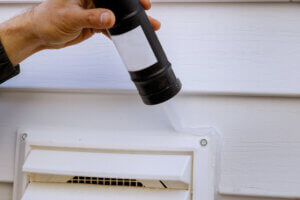
Start with an exterior inspection. Walk around your foundation and look for gaps where pipes, wires, and cables enter. Check the seals around doors and windows. Examine where the siding meets the foundation. Don’t forget dryer vents, exhaust fans, and utility penetrations.
Use the right materials. Steel wool works for small gaps because mice can’t chew through it. Stuff it in tight, then cover with caulk to hold it in place. For larger openings, use hardware cloth with a quarter-inch mesh or metal flashing. Avoid foam sealants alone. Mice chew right through them.
Pay attention to doors. The gap under your garage door is a common entry point. Install a door sweep or threshold seal. Check the weatherstripping on exterior doors too.
Screens matter. Repair any tears in window screens. Cover foundation vents with hardware cloth if they’re damaged or missing screens.
A few years ago, we got a call from a homeowner in Grafton who couldn’t figure out how mice kept getting into her kitchen. Her home was well maintained, and she’d already sealed the obvious gaps. During our inspection, we traced the problem to a small opening where an old cable line entered the basement. The original installer had left a gap just big enough for mice to squeeze through. Sometimes it’s the spots you’d never think to check.
Eliminating Food Sources
Mice don’t need much food. They eat about three grams per day. Even small crumbs or spills can sustain them.
Store food in airtight containers. Glass and heavy plastic work best. Mice can chew through cardboard and thin plastic bags with ease. This includes pet food, birdseed, and pantry staples like flour and cereal.
Clean up after meals. Wipe down counters and stovetops. Sweep floors. Don’t leave dirty dishes in the sink overnight.
Manage garbage properly. Use trash cans with tight-fitting lids. Take garbage out regularly. Keep outdoor bins away from the house if possible.
Pet food attracts mice. Don’t leave bowls out overnight. Store bags of kibble in sealed containers, not in the original bag.
Bird feeders can contribute to mouse problems. Seed that falls to the ground becomes an easy meal. Consider moving feeders away from the house or switching to no-mess seed blends during mouse season.
Effective DIY Trapping Methods
Trapping is the most practical DIY method for mouse removal. It works when done right.
Snap traps remain effective after all these years. The classic wooden versions work fine, but plastic models are easier to set and clean. Place traps perpendicular to walls with the trigger end touching the baseboard. Mice run along edges, so placement matters more than bait choice.
Peanut butter makes good bait. Use a small amount, about the size of a pea. Press it into the trigger so mice have to work for it. Cheese dries out fast and isn’t as effective as people think.
Use more traps than you think you need. Set six to twelve traps for a small infestation. Place them in pairs every two to three feet along walls where you’ve seen activity. Concentrate on areas with droppings or gnaw marks.
Check traps daily. Remove dead mice promptly. Wear gloves when handling traps and dispose of mice in sealed plastic bags.
Electronic traps deliver a quick shock. They’re more expensive but cleaner to use. Some people prefer them for that reason.
Avoid glue traps if possible. They’re considered inhumane by many pest control professionals and often catch non-target animals.
Rotate bait types if mice aren’t taking it. Try chocolate, bacon bits, or nesting materials like cotton balls.
What About Repellents and Ultrasonic Devices
Peppermint oil, mothballs, and ultrasonic repellent devices are popular DIY options. Unfortunately, research doesn’t support their effectiveness for mouse control.
Mice may avoid strong scents initially, but they adapt. A hungry or cold mouse will ignore peppermint oil to reach food and shelter. Mothballs contain toxic chemicals and aren’t safe for use around children or pets.
Ultrasonic devices claim to repel mice with high-frequency sound. Studies show mice quickly get used to the noise. These devices don’t work as standalone solutions.
Save your money. Focus on exclusion and trapping instead. Those methods address the problem directly.
Safety Considerations for DIY Pest Control
When handling home pest control yourself, safety comes first.
Always wear gloves when handling traps, dead mice, or cleaning droppings. Mice carry diseases including hantavirus and salmonella. Their droppings, urine, and nesting materials can all transmit illness.
Clean contaminated areas properly. Don’t sweep or vacuum droppings. This can release particles into the air. Instead, spray the area with a bleach solution or disinfectant. Let it soak for five minutes. Then wipe up with paper towels and dispose of everything in sealed bags.
Keep traps and baits away from children and pets. Place them in areas kids and animals can’t access, like behind heavy appliances or inside locked bait stations.
If you choose to use rodenticides, follow label directions exactly. Improper use creates risks for your family, pets, and wildlife. Many professionals recommend leaving poison baits to licensed technicians who understand proper placement and monitoring.
When to Call a Professional
DIY methods work for small mouse problems. However, some situations call for professional rodent control.
Consider calling a pro if you’re still catching mice after two weeks of active trapping. This suggests a larger population or ongoing entry points you haven’t found.
Call for help if you notice signs of mice in multiple areas of your home at once. Scattered activity indicates an established infestation.
Professionals have access to commercial-grade exclusion materials and can identify entry points homeowners miss. They also bring experience that shortens the time to resolution.
Health concerns warrant professional help. If you’re finding large amounts of droppings or have respiratory symptoms after cleaning, call someone.
There’s a dog lover’s saying that goes, “A dog can find a needle in a haystack if it smells like bacon.” The same principle applies to pest awareness. Once you train yourself to notice the small signs, droppings in a corner, gnaw marks on a baseboard, scratching sounds late at night, you’ll catch problems earlier. Early detection makes control much easier.
Prevention for the Long Term
Keeping mice out requires ongoing effort. Think of prevention as routine home maintenance, not a one-time project.
Inspect your foundation and exterior twice a year. Fall is critical, as mice seek shelter before winter. Spring lets you catch any new gaps from frost heave or settling.
Keep vegetation trimmed away from your foundation. Overgrown shrubs and groundcover provide hiding spots and travel routes.
Stack firewood at least twenty feet from your home and keep it elevated. Woodpiles are prime mouse habitat.
Clear clutter in storage areas. Mice love undisturbed spaces filled with boxes and old belongings. Regular cleaning removes nesting opportunities.
Fix moisture problems. Leaky pipes and damp basements attract pests of all kinds, not just mice.
Address gaps around your HVAC system. Mice often enter through utility chases and the spaces around ductwork.
Taking Action
Mouse control in Massachusetts comes down to three things: seal them out, remove food sources, and trap the ones already inside. Most homeowners can handle a small problem with these methods. It takes time, attention, and persistence.
Don’t wait for the problem to grow. A few droppings in the cabinet today can become dozens of mice in your walls by spring.
If you’re noticing signs of mice or other pests in your home, reach out to Bug Bully to schedule an inspection. We serve homeowners throughout Central Massachusetts, from Worcester to the Boston suburbs, and we’re here to help you find a solution that works.